Understanding Cascading Reels in Online Slot Games


Posted on October 30, 2026 by admin

Online slot games continue to evolve through creative mechanics that offer different ways to present digital gameplay. One feature that has gained attention is cascading reels, a system that changes how symbols behave after certain combinations appear. Unlike traditional slot machines, where symbols generally remain in their positions until the next spin, cascading mechanics allow qualifying symbols to disappear and make room for new ones.

This feature introduces additional visual movement and creates a different structure for individual game sequences. Understanding how cascading reels operate can help players become familiar with modern slot toto 4d mechanics and recognize the differences between various game designs.

What Are Cascading Reels?

Cascading reels are a gameplay mechanic in which matching symbols disappear from the reel grid after meeting specific winning conditions. Once those symbols are removed, new symbols fall into the empty spaces to create another arrangement.

This process may continue when subsequent combinations meet the game’s requirements. However, the number of possible cascades and their activation conditions depend on the individual slot title.

The mechanic is sometimes described as tumbling reels or avalanche reels. Although these terms may be used differently by developers, they generally refer to a similar concept involving symbols disappearing and being replaced.

How Cascading Reels Work

The cascading process usually follows several stages. Each slot deposit 5k gacor stage is connected to the game’s programmed rules and symbol evaluation system.

Initial Reel Spin

The process begins when the player activates a standard spin. The reels display a new arrangement of symbols after the spinning animation finishes.

Identifying Qualifying Combinations

The game evaluates the displayed symbols according to its established rules. Depending on the title, qualifying combinations may be based on adjacent symbols, paylines, or alternative matching systems.

Removing Matching Symbols

When a qualifying combination appears, the relevant symbols disappear from the grid. Visual effects or animations may indicate which positions are being cleared.

Introducing New Symbols

New symbols fall into the empty spaces, producing another arrangement. The game then evaluates the updated grid to determine whether another qualifying combination exists.

Ending the Cascade Sequence

The process stops when no additional qualifying combinations are identified or when another programmed condition ends the sequence.

Cascading Reels and Traditional Slot Mechanics

Traditional slot games generally use a straightforward structure. Each spin produces a new symbol arrangement, which is evaluated before the next spin begins.

Cascading reels introduce additional stages within a single sequence. Instead of immediately returning to the starting position, the game can remove symbols and introduce replacements.

FeatureTraditional ReelsCascading Reels
Symbol movementMainly during spinsCan continue after qualifying combinations
Grid changesUsually fixedSymbols may disappear and be replaced
Gameplay sequenceIndividual spinsMultiple possible cascades
Visual presentationConventional reel animationsAdditional falling-symbol animations

These differences demonstrate how developers can create alternative gameplay experiences using similar basic slot structures.

0

Understanding Hit Frequency in Online Slot Games


Posted on October 25, 2026 by admin

Introduction

Hit frequency is an important concept in online slot games because it describes how often a game produces a winning result over a series of spins. Alongside Return to Player (RTP) and volatility, hit frequency helps explain a slot777 gacor general payout behavior and the differences between various game designs.

Some slots produce relatively frequent small wins, while others may go longer between winning results. Understanding hit frequency helps clarify these patterns, how winning combinations are evaluated, and why frequent wins do not necessarily translate into higher overall returns.

What Is Hit Frequency?

Hit frequency refers to the percentage or proportion of spins that produce a win, according to the game’s defined measurement.

For example, if a slot has a hit frequency of 25%, approximately 25 out of every 100 spins would produce a qualifying win over a sufficiently large sample, based on the stated probability.

However, the exact definition can vary between games. Some measurements count any winning payout, while others may distinguish between different types of wins or bonus events.

A hit frequency figure should therefore be interpreted according to the game’s published slot88 gacor information rather than assumed to follow a universal definition.

How Hit Frequency Works

Hit frequency depends on the game’s mathematical design, including symbol distributions, winning conditions, and the probabilities assigned to different outcomes.

Several factors influence how frequently a slot produces winning results.

1. Symbol Distribution

Each slot uses a defined system to determine which symbols appear during gameplay. In digital games, virtual reel configurations or other mathematical models determine the probability of different symbol arrangements.

Common symbols may appear more frequently than premium symbols, while special icons may have specific conditions for appearing or activating features.

These distributions influence the likelihood of forming qualifying winning combinations.

2. Winning Combination Requirements

The rules for forming a win also affect hit frequency.

Traditional slots may evaluate matching symbols along predefined paylines. Ways-to-win games examine matching symbols across consecutive reels, while Cluster Pays games typically require a connected group of matching symbols.

A game with different combination requirements can produce a different hit frequency, even if its visual layout resembles another slot.

3. Bonus Features

Free spins, cascading reels, wild symbols, and multipliers can influence the overall payout structure.

For example, cascading mechanics may generate several winning combinations during a single paid spin. Depending on the game’s reporting method, these additional wins may affect how hit frequency is presented.

Bonus activation frequency and the probability of receiving a payout during a bonus round are separate considerations, so they should not automatically be treated as the same measurement.

How Hit Frequency Is Calculated

Hit frequency is commonly expressed as a percentage.

The basic calculation is:

Hit Frequency = (Number of Winning Spins ÷ Total Spins) × 100

For example, suppose a game produces 240 winning spins across 1,000 spins.

The calculation would be:2401000×100=24%\frac{240}{1000}\times100=24\%

This means 24% of the observed spins produced a qualifying win under the measurement used.

The result describes the observed sample. It does not guarantee that the next 1,000 spins will produce the same percentage because actual outcomes can vary.

Hit Frequency vs. RTP

Hit frequency and RTP measure different aspects of slot gameplay.

Hit frequency describes how often winning results occur, while RTP estimates the proportion of total wagers returned to players over a very large number of plays.

Consider two hypothetical slots:

  • Slot A: Produces frequent small wins but has a relatively modest average payout per winning spin.
  • Slot B: Produces wins less frequently but may offer larger payouts when winning combinations occur.

Both games could theoretically have the same RTP despite having different hit frequencies and payout distributions.

This distinction shows why a high hit frequency does not automatically mean a slot offers better long-term returns.

Hit Frequency vs. Volatility

Volatility describes the variability of a game’s payout distribution. It is related to hit frequency but is not interchangeable with it.

A high-volatility slot may feature larger fluctuations in results, potentially including longer periods without substantial payouts. A lower-volatility game may distribute its returns more evenly.

However, volatility cannot always be inferred from hit frequency alone. Two games with similar hit frequencies can have very different payout sizes and overall risk profiles.

To understand a slot’s characteristics, players should consider hit frequency, RTP, volatility, and the game’s paytable together.

Does Hit Frequency Predict Future Wins?

Hit frequency is a statistical measure, not a prediction tool.

In slots that use a Random Number Generator (RNG) with independent spin outcomes, a series of losses does not mean that a win is due. Likewise, several consecutive wins do not necessarily make another win more or less likely.

A published hit frequency describes the game’s theoretical or reported behavior over an appropriate sample. It does not determine the result of an individual spin.

Actual results can differ considerably from expected averages over shorter sessions.

Why Hit Frequency Matters in Slot Design

Game developers use hit frequency as one factor when shaping a slot’s overall gameplay experience. It helps describe how often players may encounter qualifying wins and how those wins relate to the game’s payout distribution.

A game can be designed around frequent small payouts, less frequent larger payouts, or a combination of different reward patterns.

Hit frequency also helps explain why two slots with similar themes and reel layouts can feel different during play. Their symbol distributions, winning rules, and payout structures may be substantially different.

Conclusion

Hit frequency describes how often a slot produces qualifying winning results relative to the number of spins played. It is influenced by symbol distribution, winning combination rules, and the game’s overall mathematical design.

Understanding hit frequency alongside RTP and volatility provides a clearer picture of how an online slot distributes its payouts. However, frequent wins do not guarantee profitability, and historical results cannot reliably predict future outcomes.

Ultimately, hit frequency is most useful as a descriptive measure of a slot’s gameplay characteristics rather than a guarantee of how often an individual player will win.


0

How Evolving Internet Habits Influence Gaming Platform Development


Posted on October 9, 2026 by admin

The ways in which people interact with the internet have transformed dramatically. From the rising demand for multi-device flexibility to the expectation of instantaneous feedback and real-time social connectivity, modern internet habits dictate how digital environments are built.

In the gaming and interactive entertainment sector, developers and platform architects continually adapt their strategies to match these behavioral shifts. Understanding this dynamic explains why contemporary toto slot platform development focuses so heavily on speed, integration, and seamless cross-device experiences.

Key Shifts in Modern Internet Behavior

As global digital infrastructure matures, user expectations have shifted away from static web pages and isolated application use toward fluid, always-on ecosystems.

Several key behavioral trends shape current platform development:

  • Cross-Device Fluidity: Users regularly switch between desktop computers, tablets, and smartphones throughout the day, expecting their accounts, progress, and settings to follow them instantly.
  • Zero Tolerance for Latency: Modern audiences expect rapid page loads, instant matchmaking, and immediate data synchronization. Any delay or friction often causes users to abandon a platform entirely.
  • Demand for Centralized Utility: Rather than juggling multiple separate tools or windows, users favor unified environments where entertainment, communication, and account management coexist under one roof.

How Developers Translate Habits into Architecture

To keep pace with these evolving habits, gaming and interactive platform developers have shifted their technical priorities toward several core structural improvements.

1. Unified Cross-Progression and Synchronization

Because users expect to access digital spaces from any device, modern platforms rely heavily on cloud-based synchronization. Whether a player interacts via a mobile browser or a desktop application, state data, preferences, and activity logs update in real-time, eliminating friction during device transitions.

2. Streamlined Navigation and Modular Layouts

Shorter attention spans and mobile-first browsing habits mean platform interfaces must be clean and intuitive. Developers utilize modular categorization and simplified menus to reduce cognitive load, allowing users to locate features, check guidelines, or access support within minimal clicks.

3. Scalable Backend Infrastructure

With real-time multiplayer engagement and live-service models driving the digital economy, platforms must handle massive influxes of simultaneous traffic without stuttering. Upgrading server stability and utilizing intelligent load balancing ensures that high-activity periods never compromise platform reliability.

The SEO and Performance Payoff

Search engines and modern algorithms closely mirror user sentiment, heavily rewarding platforms that successfully adapt to contemporary internet habits.

  • Optimized Core Web Vitals: Platforms built for speed and mobile responsiveness naturally satisfy search engine performance benchmarks.
  • Higher Engagement and Dwell Times: Seamless cross-device navigation and intuitive layouts keep users on site longer, signaling high content relevance and utility to search crawlers.
  • Reduced Bounce Rates: Eliminating technical lag and structural confusion ensures a smooth user journey, reducing drop-off rates and establishing long-term digital authority.


0

RatuTogel and the Shift Toward More Connected Online Experiences


Posted on October 9, 2026 by admin

The modern internet has shifted away from isolated, static websites toward hyper-connected digital ecosystems. Users no longer expect just a simple landing page or a single-purpose portal; they demand integrated environments where multiple features, fast communication loops, and fluid navigation cross paths. Across modern web discourse, discussions surrounding platform connectedness often reference broader digital benchmarks—sometimes highlighted toto slot through service models like RatuTogel—to examine how online portals stitch together complex features into a singular, cohesive user journey.

Exploring this shift reveals how modern platforms achieve seamless connectivity and why integrated user experiences define the future of the web.

What Defines a Connected Online Experience?

A connected digital ecosystem breaks down the traditional barriers between separate website functions. Instead of forcing users to jump across disparate pages or deal with fragmented interfaces, modern platform architecture focuses on unified continuity.

Key attributes of this connectivity include:

  • Cross-Device Synchronization: Ensuring that user preferences, session states, and interactions transition smoothly from desktop browsers to mobile applications.
  • Integrated Multimedia and Utility: Blending interactive content, real-time data updates, and responsive navigation controls under one roof.
  • Unified Account Ecosystems: Streamlining login credentials, security verifications, and profile settings so users can navigate various sections of a platform without friction.

Key Drivers Behind the Shift Toward Integration

Platform developers are heavily incentivized to build more interconnected systems due to shifting consumer expectations and technological advancements.

1. Demand for Reduced Friction

Modern internet users have low tolerance for complicated navigation loops. If a platform requires multiple steps just to access core features or find relevant information, user drop-off rates spike. Connected platforms utilize centralized dashboards and intuitive menu structures to cut down the distance between the user and their objective.

2. Real-Time Responsiveness

Connectivity relies heavily on real-time data flow. Whether it is updating status indicators, delivering instant notifications, or refreshing dynamic content, modern web applications utilize optimized server networks and advanced APIs to ensure that the entire ecosystem reacts instantaneously to user input.

3. Comprehensive Ecosystem Design

Rather than offering fragmented services, contemporary platforms build all-in-one digital environments. This philosophy keeps users engaged longer by providing a diverse array of interactive features, tools, and entertainment options within a single, secure domain architecture.

SEO Implications of Highly Connected Platforms

Search engine algorithms have evolved to strongly favor sites that deliver cohesive, deep, and frictionless user journeys. Search visibility is no longer just about keywords; it is deeply tied to structural connectivity and engagement metrics.

  • Lower Bounce Rates: When platforms offer a deeply connected and engaging layout, users tend to explore multiple pages, signaling high content relevance to search engines.
  • Enhanced Mobile Usability: Connected frameworks prioritize responsive design, ensuring that navigation remains smooth across smartphones and tablets—a vital metric for modern search rankings.
  • Stronger Internal Linking: Cohesive platform architectures naturally create clean internal linking hierarchies, making it easier for search engine bots to crawl and index site content efficiently.


0

Top Signs of a Well-Maintained Used Dodge Charger Hemi Engine


Posted on September 28, 2026 by admin

The top signs of a well-maintained used dodge charger hemi engine are a quiet lifter assembly without the signature “Hemi tick,” clean oil without sludge or metal shimmer, steady idle pressure above 25 PSI, a leak-free Multi-Displacement System (MDS), and consistent compression numbers within 10% across all eight cylinders.

Whether you are shopping for a replacement 5.7L or 6.4L V8 at an auto recycler or evaluating a donor vehicle, identifying these mechanical indicators ensures you invest in an engine built for performance and longevity.

Key Visual and Physical Inspection Indicators

Before starting an engine or running diagnostic tools, perform a direct physical assessment. A healthy Hemi leaves distinct visual cues regarding its maintenance history.

1. Oil Condition and Valve Cover Cleanliness

Pull the oil dipstick and inspect the underside of the oil filler cap. Clean, amber-colored oil suggests regular oil changes using recommended synthetic lubricants (such as 5W-20 for 5.7L MDS models or 0W-40 for 6.4L SRT variants).

  • What to Avoid: A thick, black gel or “milky” sludge under the filler cap. Sludge indicates deferred maintenance, while milky deposits signal blown head gaskets or internal coolant leaks.
  • Pro Tip: Look for golden metal components through the filler neck rather than dark carbon crusting.

2. Valvetrain Sound and the Infamous “Hemi Tick”

When starting a used dodge charger hemi engine, listen closely near the wheel wells and valve covers. A healthy Hemi runs with a rhythmic, low exhaust hum and clean mechanical operation.

  • Normal Operation: Mild injector clicking is normal on modern Chrysler V8s.
  • Red Flag: A distinct, sharp metallic tapping or knocking sound that accelerates with engine RPM. This usually indicates roller lifter failure or needle bearing wear, which eventually scores the camshaft lobes.

Vital Signs Checklist for Engine Buyers

Use this reference table to evaluate potential replacement engines before purchase:

Inspection PointHealthy Sign (Buy)Warning Sign (Pass/Inspect)
Valvetrain NoiseSoft fuel injector pulseSharp metallic ticking or heavy knocking
Oil Filler CapClean or light amber coatingBlack sludge or milky foam
Hot Oil Pressure25–45 PSI at idle (warmed up)Under 20 PSI or flickering oil light
Exhaust SmokeBrief steam on cold morning startBlue smoke (oil) or thick white smoke (coolant)
Compression Test140–170 PSI; <10% varianceVariance >15% or individual cylinders <120 PSI
Coolant ReservoirClear pink/orange (OAT/HOAT)Rusty brown, oily sheen, or thick residue

Performance and Operational Diagnostics

3. Idle Quality and Warm Oil Pressure

A properly serviced Hemi V8 should settle into an idle between 600 and 700 RPM once warm. Sudden surges or engine shaking point to vacuum leaks, dirty throttle bodies, or misfiring cylinders.

Oil pressure reading is crucial. When fully warm, idle oil pressure should hover comfortably between 25 and 45 PSI. Low oil pressure under operating temperatures often points to worn main bearings or an aging oil pump.

4. Smooth MDS (Multi-Displacement System) Transition

On 5.7L Charger engines equipped with MDS, the engine switches seamlessly between 4-cylinder eco-mode and full V8 power. During test drives or bench tests, check that the solenoid valves engage and disengage cleanly without engine hesitation or error codes like P0520 or P0300.

Advanced Mechanical Verification

If purchasing a pulled engine from a yard, insist on or perform these two critical technical checks:

Compression and Cylinder Leak-Down Testing

A compression test measures the mechanical seal of the piston rings and valves. A well-maintained Hemi exhibits cylinder pressures between 140 and 170 PSI, with less than a 10% difference between the highest and lowest cylinder readings.

Acceptable Variance Formula:

(Highest Cylinder PSI – Lowest Cylinder PSI) / Highest Cylinder PSI <= 0.10

Spark Plug Condition Analysis

Modern Hemis use 16 spark plugs (two per cylinder). Pulling a few plugs reveals combustion health:

  • Good: Light tan or grayish deposits with minimal electrode wear.
  • Bad: Heavy oil fouling (worn valve guides/piston rings) or thick white ash (excessive oil burning or lean fuel mix).

What causes the Hemi tick in a Dodge Charger?

The Hemi tick is typically caused by failed roller bearings in the valve lifters. When these bearings wear out, the lifter roller seizes and grinds down the camshaft lobe. Exhaust manifold bolt breakage is another common, less severe cause of a similar ticking sound.

How long does a Dodge Charger Hemi engine last?

With regular oil changes using high-quality synthetic oil and proper maintenance, a 5.7L or 6.4L Hemi engine regularly exceeds 200,000 to 250,000 miles without requiring a major rebuild.

How do I inspect a used Hemi engine before buying?

Check the oil condition for sludge, verify oil pressure at idle, run a compression test across all 8 cylinders, pull spark plugs to inspect combustion quality, and check the cooling system for oil contamination.

Is the 5.7 Hemi a reliable engine?

Yes, the 5.7L Hemi is a robust engine known for durable iron blocks and strong performance. Its reliability relies heavily on consistent oil maintenance to keep the hydraulic lifters and MDS solenoids properly lubricated.

Frequently Asked Questions (FAQs)

What oil is best for a used Dodge Charger Hemi engine?

For 5.7L Hemis with MDS, use high-grade 5W-20 full synthetic oil meeting Chrysler MS-6395 standards. For 6.4L SRT Hemis, standard specification calls for 0W-40 synthetic oil.

Can I buy a used Dodge Charger Hemi engine with high mileage?

Yes, provided it has documented oil service records, good compression across all cylinders, and shows no signs of lifter noise or oil sludging.

What are the main differences between the 5.7L and 6.4L Charger engines?

The 5.7L Hemi emphasizes daily usability and fuel efficiency via MDS, generating around 370 hp. The 6.4L 392 Hemi is performance-focused, producing 485 hp with reinforced internal components and higher airflow capacity.

How can I prevent lifter failure on a Hemi V8?

Avoid extended idling periods, use full synthetic motor oil with quality oil filters, and adhere to 5,000-mile drain intervals to maintain consistent oil pressure to the top end.

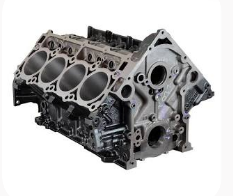
Should I buy a complete engine assembly or a short block?

If replacing a damaged motor, buying a tested complete used dodge charger hemi engine assembly saves labor costs, as it includes matched valve covers, intake manifold, timing cover, and sensors.

Final Inspection Summary

When sourcing a replacement motor, finding a well-maintained used dodge charger hemi engine comes down to verifying smooth idle pressure, clean internal surfaces, uniform cylinder compression, and silent valvetrain operation. Partnering with a reputable auto parts supplier that tests and guarantees used engine assemblies is the best way to get your Charger back on the road with confidence.


0