
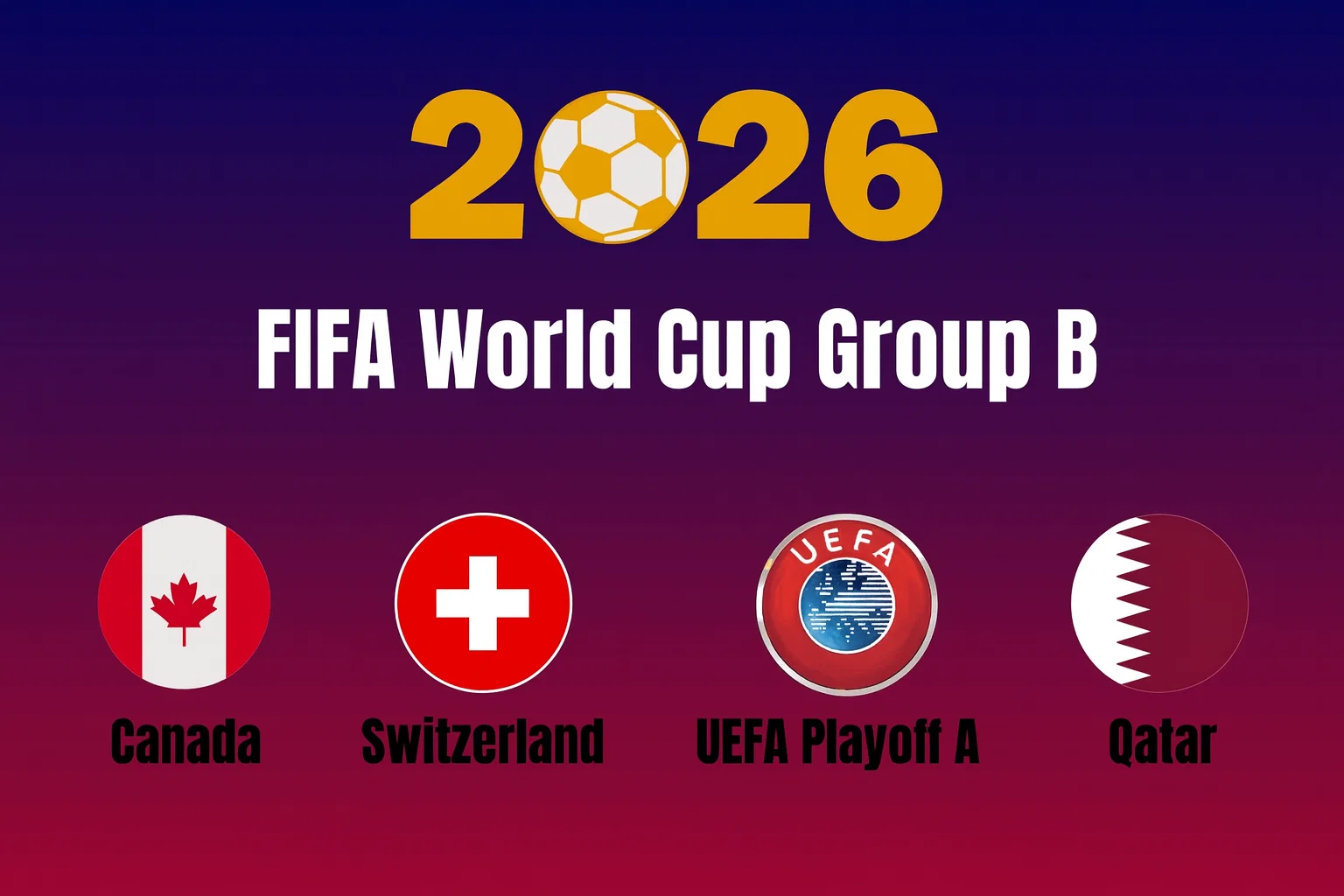
Points are the foundation of the World Cup standings. Every result translates directly into a points change that determines whether a team advances or goes home. The World Cup 2026 standings shows current totals for all 48 teams as the group stage progresses.
Three points go to the winning team in any group-stage match. One point goes to each team in a drawn match. Zero points go to the losing team. This system rewards attacking play and winning more than defensive draws, which typically creates more open and entertaining group-stage football.
Points Required to Guarantee Advancement
In most groups, seven points across three matches guarantees a group stage top-two finish. A team with two wins and one loss achieves six points and usually qualifies, though in very competitive groups six points occasionally results in third place.
A team with three wins (nine points) tops its group automatically and advances regardless of goal difference or any other factor. Four points from one win and one draw typically requires a favorable Matchday 3 result or good performance from other groups to advance as a best third-place team.
What Happens When Points Are Level
Tiebreakers activate when two or more teams finish with the same points total. FIFA applies them in this order: goal difference, goals scored, head-to-head points between the tied teams, head-to-head goal difference, head-to-head goals scored, fair play criteria (yellow and red card counts), and FIFA ranking.
How to Use the Standings Page Throughout the Tournament
The standings page at WorldCupPass updates in real time during and after matches. Check it after every group-stage result to see how each group’s table has shifted. The page displays all 12 groups on one screen so you can compare advancement races across the tournament simultaneously. Color coding shows which positions are currently safe for advancement and which are in the qualification zone.
Following the standings page daily through the group stage builds a thorough picture of tournament momentum. Teams that are accumulating points efficiently and building positive goal difference are in the strongest position for the Round of 32. Teams that are scraping through on draws and narrow margins are potentially vulnerable to tiebreaker outcomes on the final matchday. The standings page gives you the data to make those assessments in real time.
Goal difference is the most commonly used tiebreaker and gives teams strong incentive to win by large margins rather than settling for narrow victories. A team that wins 3-0 rather than 1-0 gains two extra goals of goal difference that could prove decisive if a tiebreaker situation arises later in the group stage.