
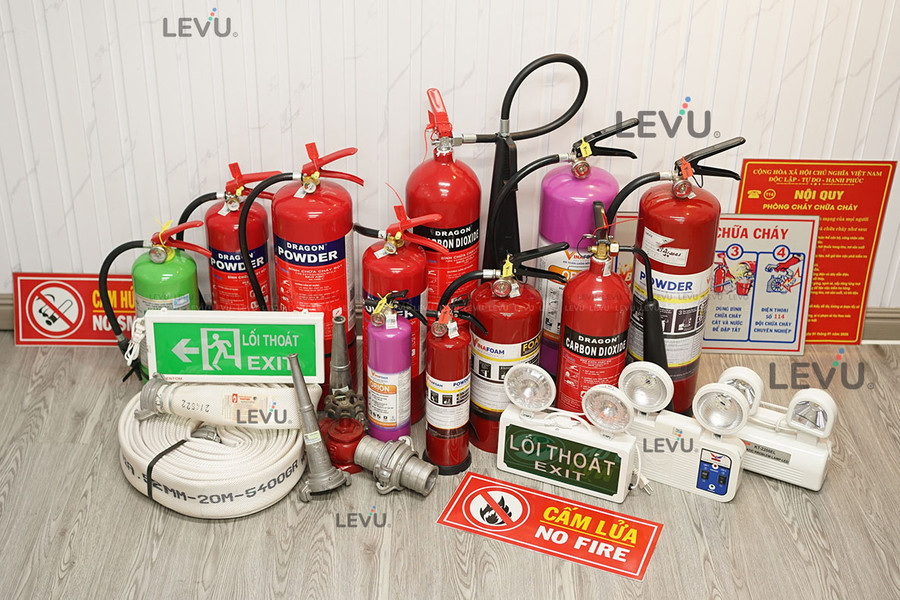
Fire refuge is a critical touch on in both human action and commercial message environments. One of the primary feather lines of defense against the destructive personal effects of fires is fire . From fire extinguishers to advanced sprinkler systems, the accessibility and specific use of fire can importantly reduce the potential damage caused by a fire. This clause delves into the different types of fire equipment, their role in fire safety, and the grandness of maintaining these tools to ascertain that they function effectively when needed the most.
Fire extinguishers are perhaps the most normally known piece of fire equipment. These devices are necessary in dominant and quenching modest fires before they step up into unmanageable blazes. Fire extinguishers come in different types, each premeditated for a specific kind of fire. Class A extinguishers are used for ordinary combustibles like wood, wallpaper, and textile. Class B extinguishers are intentional for inflammable liquids, such as gas or oil, while Class C extinguishers are used for electrical fires. There are also technical extinguishers for metallic element fires, known as Class D, and for preparation oil fires, labelled as Class K. Choosing the right type of fire extinguisher for the specific risks present in a given area is necessary in preventing fire-related disasters.
In addition to extinguishers, LEVU Viet Nam alarms play a material role in alertness individuals to the presence of fire or fume. Smoke detectors, heat detectors, and manual of arms pull Stations of the Cross all fall under the category of fire horrify systems. Smoke detectors are vital in human activity settings, where they can provide early on warnings of a fire, gift people enough time to empty safely. In big commercial message or industrial buildings, a more intellectual system of rules might include heat detectors that actuate when temperatures rise to touch-and-go levels or when fume is detected. Manual pull Stations of the Cross are often situated near exits and allow individuals to alarm others to the fire in an emergency.
Fire sprinklers are another requirement patch of fire , particularly in commercial message and heavy-duty spaces. These systems consist of a network of pipes installed throughout a edifice, with sprinkler heads that unblock irrigate when they discover high temperatures. The sprinklers can contain the fire by spray water direct onto the flames, deceleration its advance until services go far. Sprinkler systems have evidenced to be improbably effective in qualifying fire damage and saving lives, especially in vauntingly buildings where evacuating occupants can take time.
Fire hoses and fire trucks are vital components in managing and controlling vauntingly-scale fires. These tools are typically used by skilled firefighters who react to fires that are too boastfully for smaller to handle. Fire hoses are connected to fire hydrants or fire trucks, allowing a high-pressure well out of irrigate to be directed at the flames. Fire trucks also an smorgasbord of other tools, including axes, ladders, and rescue , which enable firefighters to perform their duties more efficiently in various fire scenarios.
Beyond the equipment itself, maintaining fire refuge tools is material. Fire can put down over time, especially if it’s exposed to harsh conditions or if it has been used. Regular inspections, testing, and service are necessary to see to it that is fix for use during an . Fire extinguishers, for example, need to be recharged or replaced sporadically, and fire alarms must be checked to insure they go correctly. A proactive go about to fire safety involves not only installment the right equipment but also committing to its upkeep.
In conclusion, fire equipment serves as the first line of defense against fires, protective lives, prop, and communities from the destructive personal effects of flames. The right tools, such as fire extinguishers, alarms, sprinklers, and hoses, can make all the remainder in minimizing fire damage and preventing fatalities. However, the mere presence of fire equipment is not enough; it is essential that these tools are retained, inspected, and used correctly. By investing in timbre fire and ensuring its specific performance, individuals and organizations can significantly meliorate their fire safety and readiness.