May 2026

The Astonishing Wellness Benefits And Everyday Uses Of Baking Hot Soda Irrigate For , Hydration, And Cancel Health


Posted on May 17, 2026 by quadro_bike


Baking soda irrigate has become a nonclassical home remedy for populate looking for simple and inexpensive ways to support their daily wellness. Made by mix a moderate come of baking soda, also known as Na hydrogen carbonate, into irrigate, this drink has been used for generations in households around the earth. Many people believe that baking soda irrigate can help with digestion, pyrosis, and reconciliation body sour, while others use it as part of their seaworthiness or hydration routines. Although it may seem like a staple kitchen ingredient, baking hot soda has several fascinating properties that make it useful in both wellness and house applications.

One of the most green reasons populate drink baking hot soda water is to unbosom acid reflux and upset stomach. After eating heavily, piquant, or oily meals, some individuals see wretched electrocution sensations in the pectus or support. Baking soda works as an alkaliser because it can neutralise surplusage put u acid. A modest glass over of baking soda irrigate may ply quickly temporary worker succor from pyrosis symptoms. This is why atomic number 11 hydrogen carbonate is also found in many over-the-counter medications. However, temperance is operative because consuming too much baking soda may lead to side effects such as bloating or exaggerated atomic number 11 ingestion.

Athletes and fitness enthusiasts sometimes use BAKING SODA AND LEMON FOR WEIGHT LOSS hot soda irrigate before pure work out sessions. Some studies suggest that atomic number 11 hydrogen carbonate may help tighten the buildup of potable acid in muscles during high-intensity workouts. This could potentially meliorate survival and delay musculus fag out. Because of this, some runners, cyclists, and gym-goers try out with baking soda drinks before preparation. While results vary from individual to somebody, the rehearse continues to draw i care in the sports and seaworthiness earthly concern.

Another conclude baking hot soda water has gained popularity is its reputation for support body pH poise. Some health trends take that Bodoni font diets filled with refined foods can step-up sourness in the body. Although the human being body naturally regulates pH levels through organs like the kidneys and lungs, supporters of basic diets believe that overwhelming alcalescent substances such as baking hot soda water may help advance overall wellness. Scientific opinions on this issue remain mixed, but many populate still enjoy the refreshing and comfortable set up of the drink.

Baking soda irrigate is also rewarding for its simplicity and affordability. Unlike big-ticket wellness drinks or supplements, baking hot soda is low-cost and available in nearly every food market put in. Preparing the mixture takes only a few seconds. Usually, people add about half a teaspoon of hot soda to a glass over of water and stir until liquid. Some favour adding lemon succus for flavour, creating a novel do-it-yourself drink that can be enjoyed from time to tim.

Despite its possible benefits, hot soda water should be used up carefully. Because hot soda contains high levels of atomic number 11, excessive use may put up to high rake forc or other health concerns, especially for people with spirit or kidney conditions. Pregnant women and individuals pickings medications should consult health care professionals before making it a habitue habit. Drinking vauntingly amounts may also swage the digest or cause electrolyte imbalances.

In the end, baking soda irrigate stiff one of the most exciting natural remedies found in ordinary bicycle kitchens. Whether used for digestive ministration, exercise support, or simple curiosity about cancel wellness trends, it continues to draw aid from populate quest easy and low-cost health solutions. When consumed responsibly and in moderation, baking hot soda irrigate can be a useful plus to a balanced lifestyle.


0

What the Housing Crisis Taught Us About Real Leadership in Real Estate


Posted on May 17, 2026 by quadro_bike

Introduction

Every market crisis produces a class of leaders who rise to meet it. In real estate, the affordability emergency unfolding in cities across Canada and around the world is doing exactly that, bringing forward professionals who combine deep market knowledge with genuine concern for outcomes, not just for clients who can afford to transact, but for the millions who have been pushed to the margins of the housing system. What these leaders do, how they think, and what they stand for offers a blueprint for effective real estate leadership in any market environment.

Diagnosing the Problem Before Selling the Solution

One of the most important qualities of effective real estate leadership is the willingness to spend serious time diagnosing a problem before rushing to propose solutions. The housing crisis has many contributing causes, and leaders who reduce it to a single factor, whether that is supply, demand, speculation, or policy failure, consistently arrive at inadequate responses.

Effective leaders approach market challenges with the rigor of analysts and the curiosity of students. They read broadly, consult widely, and resist the temptation to let their existing frameworks filter out evidence that complicates their understanding. This intellectual discipline is what allows them to see connections and solutions that others miss.

Communicating Complexity With Clarity

Housing markets are genuinely complex. Explaining why a home in Victoria is no longer affordable to a family earning a solid middle-class income requires engaging with interest rates, land use policy, construction costs, demographic demand, and investment behavior simultaneously. Most people do not have the background to process this complexity on their own.You can read more about Adam Gant here.

Effective real estate leaders serve as translators, making complexity accessible without oversimplifying it. Podcast conversations that dig into the hidden structural forces behind housing crises, such as the episode featuring Adam Gant discussing these pressures in the Canadian context, demonstrate what this translating role looks like when it is done well. Listeners come away genuinely understanding something they did not before, which builds the kind of trust that is impossible to manufacture through conventional marketing.

Advocating for Solutions That Serve Everyone

Perhaps the most striking quality of the most effective real estate leaders emerging from this period of housing stress is their focus on solutions that expand access rather than solutions that simply serve existing property owners. This orientation, toward inclusivity in housing, is both ethically significant and strategically sound.

Leaders who advocate for creative financing models, shared equity arrangements, and policy reforms that make ownership more accessible are building reputations as genuine advocates for community wellbeing. These reputations attract not just individual clients but partnerships with developers, municipalities, and nonprofits who share the same goals. The result is a practice with a broader base and a cleaner conscience.

Resilience as a Leadership Quality

Housing crises are prolonged. They do not resolve in a quarter or a fiscal year. Leading effectively through a sustained period of market stress requires a resilience that transactional professionals, dependent on deal volumes, often struggle to maintain. Effective leaders build their practices in ways that sustain them through slow periods, through advisory work, content creation, consulting engagements, and community involvement, so they can continue operating with integrity even when markets are difficult.

This resilience also models an important quality for clients, who are often frightened and uncertain during market stress. A leader who demonstrates calm, continued engagement, and strategic optimism during difficult periods becomes an invaluable resource for clients trying to navigate their own real estate decisions under conditions of uncertainty.

The Legacy of Crisis-Era Leadership

History tends to remember those who led through difficult periods with more admiration than those who thrived in easy ones. Real estate leaders who step forward during a housing crisis, offering clarity, advocacy, and genuine solutions, are building legacies that will outlast the crisis itself. Their ideas shape policy conversations, their models inspire other practitioners, and their clients become lifelong advocates.

For real estate professionals asking themselves what kind of leader they want to be, the current moment offers an unusually clear opportunity. The housing crisis is producing exactly the conditions that make genuine leadership both necessary and visible. Those who answer the call with rigor, integrity, and creativity will define the industry's direction for the decade ahead.

Conclusion

The housing crisis is a test of leadership in real estate, and the professionals passing that test share a set of identifiable qualities: analytical rigor, clear communication, genuine advocacy for expanded access, and the resilience to stay engaged through prolonged difficulty. By studying and embodying these qualities, real estate leaders at every career stage can build practices that are not only commercially successful but genuinely meaningful in the communities they serve.


0

The Best Way On The Internet Gambling Houses Give You A More Secure As Well As Far More Secure Casino Knowledge


Posted on May 17, 2026 by hneyrooes

The rise of the cyberspace has brought many changes to the way we live, from how we shop and work to how we socialise and even take a chanc. Online casinos are one of the most substantial innovations in the play manufacture, providing players with the power to their favourite gambling casino games from the soothe of their own homes. These virtual platforms volunteer a wide lay out of games, from defer games like pressure and roulette to innovational slot machines and live monger experiences. As more and more people turn to online casinos for entertainment, it is operative to understand both the exciting possibilities and the implicit in risks associated with practical gaming.

One of the most sympathetic aspects of online slot gacor is convenience. Players can access their front-runner games anytime, anywhere, as long as they have an internet . This tractableness eliminates the need for trip to brick-and-mortar casinos, making online gaming a more accessible selection for many people. Moreover, online casinos often volunteer a wider variety of games than orthodox casinos, including numerous themed slot machines, different versions of pop put of games, and original variations that are exclusive to online platforms. Players can also take vantage of bonuses and promotions that are typically offered to new and loyal customers, further enhancing their gaming undergo.

Additionally, online casinos often boast intellectual applied science designed to supply an immersive gambling go through. Many platforms offer high-quality artwork, voice personal effects, and even live-streamed games with real dealers. This creates an piquant standard atmosphere that can mime the exhilaration of a natural science gambling casino. The introduction of practical reality(VR) casinos has taken this undergo a step further, offer players the to step into to the full immersive practical environments where they can interact with other players and dealers in real-time.

However, despite these beguiling advantages, there are also risks associated with online casinos. One of the main concerns is the potentiality for dependance. With 24 7 get at to gambling platforms, players may find it easier to lose traverse of time and money, leading to compulsive play behavior. It is prodigious for players to launch limits and go about online play with caution, ensuring that it corpse a fun and causative activity rather than a degrading habit. Many online casinos now offer causative play tools, such as situate limits, self-exclusion options, and reality checks, to help players finagle their demeanor.

Another risk is the preponderance of fraudulent websites and untruthful operators in the online play manufacture. While many online casinos are honourable and regulated, others may not be as trustworthy. Players should be cautious when choosing a platform and always check that the site is authorised and regulated by a constituted authorization. Reading reviews, checking for certifications, and Gram-positive the casino s surety measures are necessary stairs in safeguarding personal and commercial enterprise selective information.

Furthermore, there is the issue of fairness in online games. While most online casinos use random total generators(RNGs) to ensure fair gameplay, some players may be distrustful about the wholeness of these systems. Reputable casinos are often audited by mugwump third parties to control the paleness of their games, so it is epochal to choose authorised operators that submit these checks.

In termination, online casinos volunteer a earth of exhilaration and amusement for players seeking the vibrate of gaming from home. With a wide range of games, attractive bonuses, and immersive technology, they supply a favorable and pleasant see for those who pick out to play responsibly. However, it is crucial to be witting of the risks, including habituation, impostor, and blondness concerns, and take the necessary precautions to protect oneself. By making enlightened choices and practicing responsible gaming habits, players can enjoy the benefits of online casinos while minimizing the potency downsides.


0

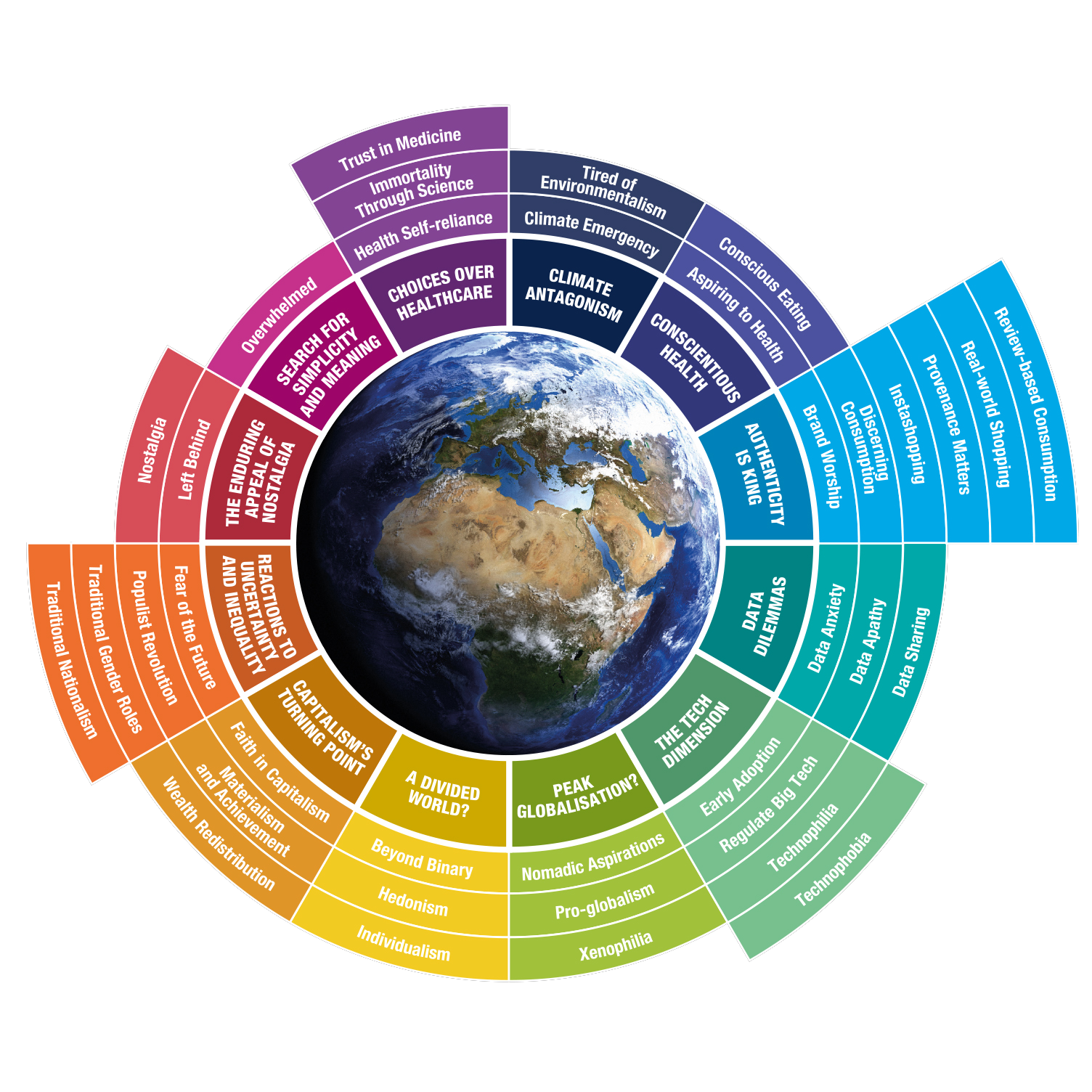
LIFE IS CHANGING FAST- THE BIG FORCES SHAPING THE FUTURE IN 2026/27


Posted on May 17, 2026 by admin

Top 10 Workplace Trends That Are Transforming Remote Access Our Modern Workplace In 2026/27
The way people work been drastically altered in the last few years than in the previous few decades. The hybrid and remote work arrangements have evolved from emergency solutions to permanent arrangements, and the ripple effects are still evident across businesses as well as cities and careers. For some, the change has been a sigh of relief. Some have led to real questions about productivity in the workplace, culture, and growth. One thing that is certain is that there's no chance of going back to the previous standard. Here are the 10 remote working trends that are changing the current workplace, which will continue into 2026/27.

1. Hybrid Work Became The Leading Model
The debate on fully remote against fully in-office, has found a middle area. Hybrid, or hybrid working, where workers have a split between their home and an office space has emerged as the main model across most knowledge-based industries. Its specifics are varied, from structured two or three day office requirements, to completely flexible arrangements based on employees' needs. What the majority of companies have acknowledged is that strict five-day office attendance is increasingly difficult to justify to employees who have demonstrated they can achieve results from any place.

2. Asynchronous Communication Takes Priority
As teams become more geographically dispersed and time zones change The notion that everyone must be online simultaneously is being questioned. Asynchronous communication, in which messages as well as updates and decisions are documented and addressed in a person's own time is now a real company priority rather that an afterthought. Tools that work with async workflows are taking off, and the shift towards trusting individuals to manage their own schedules rather than tracking their online activity is gaining steam.

3. AI-powered productivity tools can transform the way we work. Work
The introduction of AI in the everyday workplace tools is happening faster than anyone thought. From meeting summaries and automated task management to AI writing aids and intelligent scheduling, the technological toolset available to remote workers in 2026/27 has a starkly different look from even two years ago. The biggest change isn't one tool but the effect of AI managing the administrative portion of the job, allowing workers to focus on what really requires human judgment and creativity.

4. A Home Office Becomes A Serious Investment
The years have passed since widespread remote work and the ingenuity of the kitchen table is now transforming to specially designed home office spaces. Workers and employers alike are now recognizing the work environment as an asset worth investing in. The ergonomic furniture, the professional lighting systems, auditory panels, and high-end audio and visual equipment are increasingly common rather than expensive. Some employers are now offering dedicated personal allowances to home offices as part to their benefits package being aware that a well-equipped remote worker is an efficient employee.

5. Digital Nomadism Gains Mainstream Legitimacy
The way of life for self-employed and freelancers has now become growing into a norm for employees of established companies. An increasing number of employers now have policies that allow employees to work from different countries for long period, if tax and compliance conditions are adhered to. The infrastructure supporting this way of life including co-working networks, to the nomad visa programs provided by an increasing number of countries, continues to grow and become more mature.

6. Remote Work Culture requires deliberate Design
One of the most consistent challenges of distributed working is maintaining a cohesive team culture when workers rarely nor ever share physical space. Leading organizations are learning that a culture in a remote workplace does not emerge naturally. It needs to be created. This involves intentional onboarding process along with regular touchpoints structured and regularly scheduled, virtual social rituals, and clearly defined frameworks for recognition and growth. Employers who view culture as something that is only a thing to be found in the workplace are continually losing ground both in retention and engagement.

7. Cybersecurity For Remote Workers Becomes More Tight Significantly
The increase in remote work dramatically increased the attack surface accessible to cybercriminals. the response of organizations has been very positive. Zero-trust security systems, mandatory VPN use, endpoint monitoring, and multi-factor authentication are now the norm rather than ad-hoc security measures. Security training for employees is an ongoing requirement, rather than the occasional introduction exercise as a result of the fact remote workers working outside of the corporate network's perimeters are an attack point and a starting layer of protection.

8. It's the Four-Day Work Week Gains Traction
Pilot programmes testing a four-day weekly work week have produced consistently good results across a variety of countries and industries, and more organisations are moving from trial to permanent implementation. The principle behind the program, that focus and output matter more than hours of work, is a natural fit with the idea of working remotely. Employers are competing for workers in a marketplace which flexibility is a major priority, the work schedule of a four-day week is evolving from an initial experiment to a reliable differentiation.

9. Performance Measurement Changes to Results
Managing remote teams by observing activities, tracking login times or observing screen usage has proved impractical and untrustworthy. Moving towards outcomes-based performance management, in which employees are rated on the performance they produce rather than how visibly busy they appear in the workplace, is among the more significant cultural changes remote work has grown faster. This calls for clearer goals to set, more frequent check-ins, and supervisors who can operate without having direct oversight. This also requires greater accountability from employees in return.

10. The Mental Health And Boundaries Become Organisational Responsibilities
The blurring of work and home time that remote working could produce has moved wellbeing and boundary-setting onto the agenda of business. Burnout is a major issue, as are isolation and constant working patterns are recognised risks rather than personal failings, and employers are more likely to tackle them to a greater extent. Regulations on working hours right-to-disconnect expectations, access to mental health support, and effective manager training are becoming standard features of what a responsible remote friendly employer is expected to look like in 2026/27.

The change in work is constant and uneven and different sectors, roles and even individuals experiencing it in completely different ways. What the trends above share is a common goal: towards more flexibility, intentional communication, and a fundamental rethinking of the what means in order to achieve success. Businesses that commit to this kind of thinking are building workplaces worth belonging to. To find further insight, head to the best For additional detail, browse the top medieforum.dk/ to find out more.
The 10 Career Development Changes Defining How We Work And Grow In The Years Ahead
The current job market is undergoing one of the biggest modifications in recent times. Artificial Intelligence and automation change the ways in which jobs require human participation and which not. The working landscape is being disrupted by remote and hybrid models that have dissociated work from geography in ways that's continuing to play out. Skills employers value are shifting faster than educational institutions can adapt to reflect. The relationship between people and their organizations is shifting from a traditional, long-term and mutual commitment model towards a greater in fluidity, less negotiated and dependent on constant evidence of value. Here are the top 10 career improvement trends that are influencing the changing work market for 2026/27.

1. AI Literacy Becomes A Universal Professional Requirement
The ability to work effectively with AI tools is fast becoming a standard professional requirement across the entire spectrum rather than being a specialist ability confined to technical roles. Knowing what AI can and cannot do reliably in a timely manner, the best way to develop effective workflows and prompts as well as how to critically evaluate outputs produced by AI and how to seamlessly integrate AI tools into the professional environment effectively are all areas that employers are now treating as essential and not just an option. Professionals who are successful don't necessarily comprehend AI more deeply on a technical level, but rather those who have a solid knowledge of their field with the capacity to make use of AI tools to their advantage within their field.

2. Skills-Based Hiring Displaces Credential Based Selection
A growing number of employers are moving away from using qualifications for education as the sole criteria in hiring decisions, instead looking at demonstrated skills and practical capability. The recognition that a diploma from an school is becoming an insufficient indication of the particular capabilities needed for the job is driving companies to invest in competency assessments that include portfolio-based hiring, work practice tests, and competency frameworks that evaluate what candidates are actually capable of rather than the degree they hold. For individuals, this means both a chance and a responsibility: the possibility to be competitive based on proven capability regardless of academic background and the responsibility to build the capability and show it continuously.

3. The Half-Life Of Skills Shortens Dramatically
The rate that specific technical skills go out of fashion is increasing, driven by the speed of AI development but also by the general speed of change across all industries. Skills that were competitive just five years ago are common expectations today, and skills that are innovative today may be replaced or automated within the same amount of time. This is causing a profound change in the manner that career development should be approached, changing from a system of acquiring a fixed body of expertise and trading on it for years to a system of constant learning, regular reviews of your skills, and staying ahead of trends in how demand has changed rather then where it has been.

4. Portfolio Careers and Non-Linear Pathways Make It Mainstream
The idea of a straight career path through one company or even a specific field from entry level to retirement no longer describes the way in which most individuals' lives go and has lost its value as the ideal default. Portfolio careers that have multiple streams of income, freelance work along with work, recurring shifts between various fields, along with extended breaks for education and caregiving or personal development are becoming commonplace and are increasingly accepted as a result of the fact that employers have mastered to look up diverse resumes for evidence of scalability rather than insecurity. Being able to communicate a coherent narrative connecting varied experiences is now a crucial professional communication ability.

5. Remote And Distributed Work Reshapes Career Geography
The geographical constraints regarding career progression have been eased substantially for roles that are able to be carried out remotely, but the implications continue to unfold. Professionals in smaller cities and regions can now access roles or organizations that required relocation. Talent markets have become more at a competitive level as employers can recruit local rather than globally for certain positions. The advantages of being physically present in large professional locations have diminished for certain roles while remaining significant for certain roles. Navigating the geography of an occupation in a multi-faceted world choosing when proximity is crucial as much as it does as well as how to maintain awareness and develop opportunities in teams that are scattered, is crucial and innovative professional skill.

6. Personal Branding Moves From Optional To Essential
The public perception of a professional's skills, expertise and track record beyond the boundaries of their current employer has become a meaningful personal asset that weren't the norm for the minority of people in previous generations. Professional reputations built by creating content and public speaking engagement, and active participation in professional networks can provide security against the impact of changes within organisations and the possibility of a more flexible career path that only internal development doesn't. The process does not need to make you a celebrity on social media. The trick is to build enough external awareness for opportunities, collaborations, and connections are found independent of any single employer is increasingly standard career guidance rather than an optional extra for the especially ambitious.

7. Emotional Intelligence And Human Skills Command A High-Quality
As AI becomes more adept at performing cognitive tasks that used to require human knowledge, the competencies that are still uniquely human have been receiving increasing attention in the labour market. The ability of being able to read, comprehend, and respond appropriately to emotions both in oneself and those around you, is one of the consistently valued differentiators of jobs that require management, client relations, negotiation, team management as well as complex communication. The ability to think critically, the ability to make ethical judgments in navigating confusion, and the capability to establish confidence are all traits that AI enhances rather than duplicates. Professionals who combine strong technical or domain expertise in conjunction with human expertise have a chance to be in the most secure part in the employment market.

8. Mental Safety and Wellbeing become Retention Imperatives
The factors that affect talent decisions have been shifting significantly towards being satisfied with the working atmosphere, the psychological safety of your team, the professionalism of management, as well as the degree to which work reflects the values of each individual. Although compensation is important, it's decreasingly effective as a retention tool for the experts most in demand. Employers that invest in wellness, in quality management within a work environment where employees feel comfortable to contribute their best and voice concerns without fear is consistently better than those who rely on financial rewards only. For people, assessing the psychological context of an employer using the same level of rigor applied to promotion and compensation is now a standard way to advise on career progression.

9. The Mentorship and Sponsorship Programs are a great way to increase their value. Important
In an environment of career advancement marked by rapid shifts, it is important to have connections with professionals with experience with a perspective and advocacy as well as chances to gain access that are not generally known has increased rather than diminished. Mentorship, where an experienced professional shares knowledge and provides guidance, as well sponsorship in which a senior champion is active in opening doors and putting their credibility behind someone's advancement and advancement, are both getting renewed interest as career development tools. Reverse mentorship, where more junior professionals share expertise in areas such as technology, social platforms, and emerging cultural trends with senior colleagues, is also growing as a valuable and relationship-building practice that benefits both parties.

10. Motivation and Purpose Drive Career Decisions For A Growing cohort
The proportion of employees making career decisions significantly dependent on a desire for purposeful work, alignment with beliefs and mission of the organization and the belief the value of their contribution more than the commercial value of their work is rising. This is evident most strongly among professional women, but it's not only restricted to them. Organisations that can offer genuine motives and a sense of purpose, despite competitive environments, as well as demonstrate the veracity of their mission claims rather than simply making them clear, are consistently successful in attracting as well as retaining the individuals most likely to contribute to their mission. The merging of purpose and work isn't without its challenges But the direction of moving towards a workforce that expects more from work than a transaction and is more likely to adopt decisions that reflect that expectations.

In 2026/27, career development requires an increased level of active engagement, ongoing learning, and more determined self-direction than previously in the course of work. The above trends do not make the path forward simple, but they make it easier. Professionals who understand where value is going, invest in the capabilities that remain uniquely human to build their expertise in a visible manner, and treat their careers as ongoing tasks rather than rigid arrangements will have greater opportunities in this environment than fear. The job market is shifting rapidly, but it's not a random change. There is a direction, and those who recognize it earlier have an important advantage. For further info, browse these reliable noticiasfoco.pt/ for more info.

0

LIFE IS CHANGING FAST- THE BIG FORCES SHAPING THE FUTURE IN 2026/27


Posted on May 17, 2026 by Saqib K

Top 10 Workplace Trends That Are Transforming Remote Access Our Modern Workplace In 2026/27
The way people work been drastically altered in the last few years than in the previous few decades. The hybrid and remote work arrangements have evolved from emergency solutions to permanent arrangements, and the ripple effects are still evident across businesses as well as cities and careers. For some, the change has been a sigh of relief. Some have led to real questions about productivity in the workplace, culture, and growth. One thing that is certain is that there's no chance of going back to the previous standard. Here are the 10 remote working trends that are changing the current workplace, which will continue into 2026/27.

1. Hybrid Work Became The Leading Model
The debate on fully remote against fully in-office, has found a middle area. Hybrid, or hybrid working, where workers have a split between their home and an office space has emerged as the main model across most knowledge-based industries. Its specifics are varied, from structured two or three day office requirements, to completely flexible arrangements based on employees' needs. What the majority of companies have acknowledged is that strict five-day office attendance is increasingly difficult to justify to employees who have demonstrated they can achieve results from any place.

2. Asynchronous Communication Takes Priority
As teams become more geographically dispersed and time zones change The notion that everyone must be online simultaneously is being questioned. Asynchronous communication, in which messages as well as updates and decisions are documented and addressed in a person's own time is now a real company priority rather that an afterthought. Tools that work with async workflows are taking off, and the shift towards trusting individuals to manage their own schedules rather than tracking their online activity is gaining steam.

3. AI-powered productivity tools can transform the way we work. Work
The introduction of AI in the everyday workplace tools is happening faster than anyone thought. From meeting summaries and automated task management to AI writing aids and intelligent scheduling, the technological toolset available to remote workers in 2026/27 has a starkly different look from even two years ago. The biggest change isn't one tool but the effect of AI managing the administrative portion of the job, allowing workers to focus on what really requires human judgment and creativity.

4. A Home Office Becomes A Serious Investment
The years have passed since widespread remote work and the ingenuity of the kitchen table is now transforming to specially designed home office spaces. Workers and employers alike are now recognizing the work environment as an asset worth investing in. The ergonomic furniture, the professional lighting systems, auditory panels, and high-end audio and visual equipment are increasingly common rather than expensive. Some employers are now offering dedicated personal allowances to home offices as part to their benefits package being aware that a well-equipped remote worker is an efficient employee.

5. Digital Nomadism Gains Mainstream Legitimacy
The way of life for self-employed and freelancers has now become growing into a norm for employees of established companies. An increasing number of employers now have policies that allow employees to work from different countries for long period, if tax and compliance conditions are adhered to. The infrastructure supporting this way of life including co-working networks, to the nomad visa programs provided by an increasing number of countries, continues to grow and become more mature.

6. Remote Work Culture requires deliberate Design
One of the most consistent challenges of distributed working is maintaining a cohesive team culture when workers rarely nor ever share physical space. Leading organizations are learning that a culture in a remote workplace does not emerge naturally. It needs to be created. This involves intentional onboarding process along with regular touchpoints structured and regularly scheduled, virtual social rituals, and clearly defined frameworks for recognition and growth. Employers who view culture as something that is only a thing to be found in the workplace are continually losing ground both in retention and engagement.

7. Cybersecurity For Remote Workers Becomes More Tight Significantly
The increase in remote work dramatically increased the attack surface accessible to cybercriminals. the response of organizations has been very positive. Zero-trust security systems, mandatory VPN use, endpoint monitoring, and multi-factor authentication are now the norm rather than ad-hoc security measures. Security training for employees is an ongoing requirement, rather than the occasional introduction exercise as a result of the fact remote workers working outside of the corporate network's perimeters are an attack point and a starting layer of protection.

8. It's the Four-Day Work Week Gains Traction
Pilot programmes testing a four-day weekly work week have produced consistently good results across a variety of countries and industries, and more organisations are moving from trial to permanent implementation. The principle behind the program, that focus and output matter more than hours of work, is a natural fit with the idea of working remotely. Employers are competing for workers in a marketplace which flexibility is a major priority, the work schedule of a four-day week is evolving from an initial experiment to a reliable differentiation.

9. Performance Measurement Changes to Results
Managing remote teams by observing activities, tracking login times or observing screen usage has proved impractical and untrustworthy. Moving towards outcomes-based performance management, in which employees are rated on the performance they produce rather than how visibly busy they appear in the workplace, is among the more significant cultural changes remote work has grown faster. This calls for clearer goals to set, more frequent check-ins, and supervisors who can operate without having direct oversight. This also requires greater accountability from employees in return.

10. The Mental Health And Boundaries Become Organisational Responsibilities
The blurring of work and home time that remote working could produce has moved wellbeing and boundary-setting onto the agenda of business. Burnout is a major issue, as are isolation and constant working patterns are recognised risks rather than personal failings, and employers are more likely to tackle them to a greater extent. Regulations on working hours right-to-disconnect expectations, access to mental health support, and effective manager training are becoming standard features of what a responsible remote friendly employer is expected to look like in 2026/27.

The change in work is constant and uneven and different sectors, roles and even individuals experiencing it in completely different ways. What the trends above share is a common goal: towards more flexibility, intentional communication, and a fundamental rethinking of the what means in order to achieve success. Businesses that commit to this kind of thinking are building workplaces worth belonging to. To find further insight, head to the best For additional detail, browse the top medieforum.dk/ to find out more.

The 10 Career Development Changes Defining How We Work And Grow In The Years Ahead
The current job market is undergoing one of the biggest modifications in recent times. Artificial Intelligence and automation change the ways in which jobs require human participation and which not. The working landscape is being disrupted by remote and hybrid models that have dissociated work from geography in ways that's continuing to play out. Skills employers value are shifting faster than educational institutions can adapt to reflect. The relationship between people and their organizations is shifting from a traditional, long-term and mutual commitment model towards a greater in fluidity, less negotiated and dependent on constant evidence of value. Here are the top 10 career improvement trends that are influencing the changing work market for 2026/27.

1. AI Literacy Becomes A Universal Professional Requirement
The ability to work effectively with AI tools is fast becoming a standard professional requirement across the entire spectrum rather than being a specialist ability confined to technical roles. Knowing what AI can and cannot do reliably in a timely manner, the best way to develop effective workflows and prompts as well as how to critically evaluate outputs produced by AI and how to seamlessly integrate AI tools into the professional environment effectively are all areas that employers are now treating as essential and not just an option. Professionals who are successful don't necessarily comprehend AI more deeply on a technical level, but rather those who have a solid knowledge of their field with the capacity to make use of AI tools to their advantage within their field.

2. Skills-Based Hiring Displaces Credential Based Selection
A growing number of employers are moving away from using qualifications for education as the sole criteria in hiring decisions, instead looking at demonstrated skills and practical capability. The recognition that a diploma from an school is becoming an insufficient indication of the particular capabilities needed for the job is driving companies to invest in competency assessments that include portfolio-based hiring, work practice tests, and competency frameworks that evaluate what candidates are actually capable of rather than the degree they hold. For individuals, this means both a chance and a responsibility: the possibility to be competitive based on proven capability regardless of academic background and the responsibility to build the capability and show it continuously.

3. The Half-Life Of Skills Shortens Dramatically
The rate that specific technical skills go out of fashion is increasing, driven by the speed of AI development but also by the general speed of change across all industries. Skills that were competitive just five years ago are common expectations today, and skills that are innovative today may be replaced or automated within the same amount of time. This is causing a profound change in the manner that career development should be approached, changing from a system of acquiring a fixed body of expertise and trading on it for years to a system of constant learning, regular reviews of your skills, and staying ahead of trends in how demand has changed rather then where it has been.

4. Portfolio Careers and Non-Linear Pathways Make It Mainstream
The idea of a straight career path through one company or even a specific field from entry level to retirement no longer describes the way in which most individuals' lives go and has lost its value as the ideal default. Portfolio careers that have multiple streams of income, freelance work along with work, recurring shifts between various fields, along with extended breaks for education and caregiving or personal development are becoming commonplace and are increasingly accepted as a result of the fact that employers have mastered to look up diverse resumes for evidence of scalability rather than insecurity. Being able to communicate a coherent narrative connecting varied experiences is now a crucial professional communication ability.

5. Remote And Distributed Work Reshapes Career Geography
The geographical constraints regarding career progression have been eased substantially for roles that are able to be carried out remotely, but the implications continue to unfold. Professionals in smaller cities and regions can now access roles or organizations that required relocation. Talent markets have become more at a competitive level as employers can recruit local rather than globally for certain positions. The advantages of being physically present in large professional locations have diminished for certain roles while remaining significant for certain roles. Navigating the geography of an occupation in a multi-faceted world choosing when proximity is crucial as much as it does as well as how to maintain awareness and develop opportunities in teams that are scattered, is crucial and innovative professional skill.

6. Personal Branding Moves From Optional To Essential
The public perception of a professional's skills, expertise and track record beyond the boundaries of their current employer has become a meaningful personal asset that weren't the norm for the minority of people in previous generations. Professional reputations built by creating content and public speaking engagement, and active participation in professional networks can provide security against the impact of changes within organisations and the possibility of a more flexible career path that only internal development doesn't. The process does not need to make you a celebrity on social media. The trick is to build enough external awareness for opportunities, collaborations, and connections are found independent of any single employer is increasingly standard career guidance rather than an optional extra for the especially ambitious.

7. Emotional Intelligence And Human Skills Command A High-Quality
As AI becomes more adept at performing cognitive tasks that used to require human knowledge, the competencies that are still uniquely human have been receiving increasing attention in the labour market. The ability of being able to read, comprehend, and respond appropriately to emotions both in oneself and those around you, is one of the consistently valued differentiators of jobs that require management, client relations, negotiation, team management as well as complex communication. The ability to think critically, the ability to make ethical judgments in navigating confusion, and the capability to establish confidence are all traits that AI enhances rather than duplicates. Professionals who combine strong technical or domain expertise in conjunction with human expertise have a chance to be in the most secure part in the employment market.

8. Mental Safety and Wellbeing become Retention Imperatives
The factors that affect talent decisions have been shifting significantly towards being satisfied with the working atmosphere, the psychological safety of your team, the professionalism of management, as well as the degree to which work reflects the values of each individual. Although compensation is important, it's decreasingly effective as a retention tool for the experts most in demand. Employers that invest in wellness, in quality management within a work environment where employees feel comfortable to contribute their best and voice concerns without fear is consistently better than those who rely on financial rewards only. For people, assessing the psychological context of an employer using the same level of rigor applied to promotion and compensation is now a standard way to advise on career progression.

9. The Mentorship and Sponsorship Programs are a great way to increase their value. Important
In an environment of career advancement marked by rapid shifts, it is important to have connections with professionals with experience with a perspective and advocacy as well as chances to gain access that are not generally known has increased rather than diminished. Mentorship, where an experienced professional shares knowledge and provides guidance, as well sponsorship in which a senior champion is active in opening doors and putting their credibility behind someone's advancement and advancement, are both getting renewed interest as career development tools. Reverse mentorship, where more junior professionals share expertise in areas such as technology, social platforms, and emerging cultural trends with senior colleagues, is also growing as a valuable and relationship-building practice that benefits both parties.

10. Motivation and Purpose Drive Career Decisions For A Growing cohort
The proportion of employees making career decisions significantly dependent on a desire for purposeful work, alignment with beliefs and mission of the organization and the belief the value of their contribution more than the commercial value of their work is rising. This is evident most strongly among professional women, but it's not only restricted to them. Organisations that can offer genuine motives and a sense of purpose, despite competitive environments, as well as demonstrate the veracity of their mission claims rather than simply making them clear, are consistently successful in attracting as well as retaining the individuals most likely to contribute to their mission. The merging of purpose and work isn't without its challenges But the direction of moving towards a workforce that expects more from work than a transaction and is more likely to adopt decisions that reflect that expectations.

In 2026/27, career development requires an increased level of active engagement, ongoing learning, and more determined self-direction than previously in the course of work. The above trends do not make the path forward simple, but they make it easier. Professionals who understand where value is going, invest in the capabilities that remain uniquely human to build their expertise in a visible manner, and treat their careers as ongoing tasks rather than rigid arrangements will have greater opportunities in this environment than fear. The job market is shifting rapidly, but it's not a random change. There is a direction, and those who recognize it earlier have an important advantage. For further info, browse these reliable noticiasfoco.pt/ for more info.


0