The top signs of a well-maintained used dodge charger hemi engine are a quiet lifter assembly without the signature “Hemi tick,” clean oil without sludge or metal shimmer, steady idle pressure above 25 PSI, a leak-free Multi-Displacement System (MDS), and consistent compression numbers within 10% across all eight cylinders.
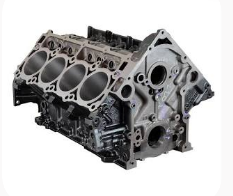
Whether you are shopping for a replacement 5.7L or 6.4L V8 at an auto recycler or evaluating a donor vehicle, identifying these mechanical indicators ensures you invest in an engine built for performance and longevity.
Key Visual and Physical Inspection Indicators
Before starting an engine or running diagnostic tools, perform a direct physical assessment. A healthy Hemi leaves distinct visual cues regarding its maintenance history.
1. Oil Condition and Valve Cover Cleanliness
Pull the oil dipstick and inspect the underside of the oil filler cap. Clean, amber-colored oil suggests regular oil changes using recommended synthetic lubricants (such as 5W-20 for 5.7L MDS models or 0W-40 for 6.4L SRT variants).
- What to Avoid: A thick, black gel or “milky” sludge under the filler cap. Sludge indicates deferred maintenance, while milky deposits signal blown head gaskets or internal coolant leaks.
- Pro Tip: Look for golden metal components through the filler neck rather than dark carbon crusting.
2. Valvetrain Sound and the Infamous “Hemi Tick”
When starting a used dodge charger hemi engine, listen closely near the wheel wells and valve covers. A healthy Hemi runs with a rhythmic, low exhaust hum and clean mechanical operation.
- Normal Operation: Mild injector clicking is normal on modern Chrysler V8s.
- Red Flag: A distinct, sharp metallic tapping or knocking sound that accelerates with engine RPM. This usually indicates roller lifter failure or needle bearing wear, which eventually scores the camshaft lobes.
Vital Signs Checklist for Engine Buyers
Use this reference table to evaluate potential replacement engines before purchase:
| Inspection Point | Healthy Sign (Buy) | Warning Sign (Pass/Inspect) |
| Valvetrain Noise | Soft fuel injector pulse | Sharp metallic ticking or heavy knocking |
| Oil Filler Cap | Clean or light amber coating | Black sludge or milky foam |
| Hot Oil Pressure | 25–45 PSI at idle (warmed up) | Under 20 PSI or flickering oil light |
| Exhaust Smoke | Brief steam on cold morning start | Blue smoke (oil) or thick white smoke (coolant) |
| Compression Test | 140–170 PSI; <10% variance | Variance >15% or individual cylinders <120 PSI |
| Coolant Reservoir | Clear pink/orange (OAT/HOAT) | Rusty brown, oily sheen, or thick residue |
Performance and Operational Diagnostics
3. Idle Quality and Warm Oil Pressure
A properly serviced Hemi V8 should settle into an idle between 600 and 700 RPM once warm. Sudden surges or engine shaking point to vacuum leaks, dirty throttle bodies, or misfiring cylinders.
Oil pressure reading is crucial. When fully warm, idle oil pressure should hover comfortably between 25 and 45 PSI. Low oil pressure under operating temperatures often points to worn main bearings or an aging oil pump.
4. Smooth MDS (Multi-Displacement System) Transition
On 5.7L Charger engines equipped with MDS, the engine switches seamlessly between 4-cylinder eco-mode and full V8 power. During test drives or bench tests, check that the solenoid valves engage and disengage cleanly without engine hesitation or error codes like P0520 or P0300.
Advanced Mechanical Verification
If purchasing a pulled engine from a yard, insist on or perform these two critical technical checks:
Compression and Cylinder Leak-Down Testing
A compression test measures the mechanical seal of the piston rings and valves. A well-maintained Hemi exhibits cylinder pressures between 140 and 170 PSI, with less than a 10% difference between the highest and lowest cylinder readings.
Acceptable Variance Formula:
(Highest Cylinder PSI – Lowest Cylinder PSI) / Highest Cylinder PSI <= 0.10
Spark Plug Condition Analysis
Modern Hemis use 16 spark plugs (two per cylinder). Pulling a few plugs reveals combustion health:
- Good: Light tan or grayish deposits with minimal electrode wear.
- Bad: Heavy oil fouling (worn valve guides/piston rings) or thick white ash (excessive oil burning or lean fuel mix).
What causes the Hemi tick in a Dodge Charger?
The Hemi tick is typically caused by failed roller bearings in the valve lifters. When these bearings wear out, the lifter roller seizes and grinds down the camshaft lobe. Exhaust manifold bolt breakage is another common, less severe cause of a similar ticking sound.
How long does a Dodge Charger Hemi engine last?
With regular oil changes using high-quality synthetic oil and proper maintenance, a 5.7L or 6.4L Hemi engine regularly exceeds 200,000 to 250,000 miles without requiring a major rebuild.
How do I inspect a used Hemi engine before buying?
Check the oil condition for sludge, verify oil pressure at idle, run a compression test across all 8 cylinders, pull spark plugs to inspect combustion quality, and check the cooling system for oil contamination.
Is the 5.7 Hemi a reliable engine?
Yes, the 5.7L Hemi is a robust engine known for durable iron blocks and strong performance. Its reliability relies heavily on consistent oil maintenance to keep the hydraulic lifters and MDS solenoids properly lubricated.
Frequently Asked Questions (FAQs)
What oil is best for a used Dodge Charger Hemi engine?
For 5.7L Hemis with MDS, use high-grade 5W-20 full synthetic oil meeting Chrysler MS-6395 standards. For 6.4L SRT Hemis, standard specification calls for 0W-40 synthetic oil.
Can I buy a used Dodge Charger Hemi engine with high mileage?
Yes, provided it has documented oil service records, good compression across all cylinders, and shows no signs of lifter noise or oil sludging.
What are the main differences between the 5.7L and 6.4L Charger engines?
The 5.7L Hemi emphasizes daily usability and fuel efficiency via MDS, generating around 370 hp. The 6.4L 392 Hemi is performance-focused, producing 485 hp with reinforced internal components and higher airflow capacity.
How can I prevent lifter failure on a Hemi V8?
Avoid extended idling periods, use full synthetic motor oil with quality oil filters, and adhere to 5,000-mile drain intervals to maintain consistent oil pressure to the top end.
Should I buy a complete engine assembly or a short block?
If replacing a damaged motor, buying a tested complete used dodge charger hemi engine assembly saves labor costs, as it includes matched valve covers, intake manifold, timing cover, and sensors.
Final Inspection Summary
When sourcing a replacement motor, finding a well-maintained used dodge charger hemi engine comes down to verifying smooth idle pressure, clean internal surfaces, uniform cylinder compression, and silent valvetrain operation. Partnering with a reputable auto parts supplier that tests and guarantees used engine assemblies is the best way to get your Charger back on the road with confidence.