
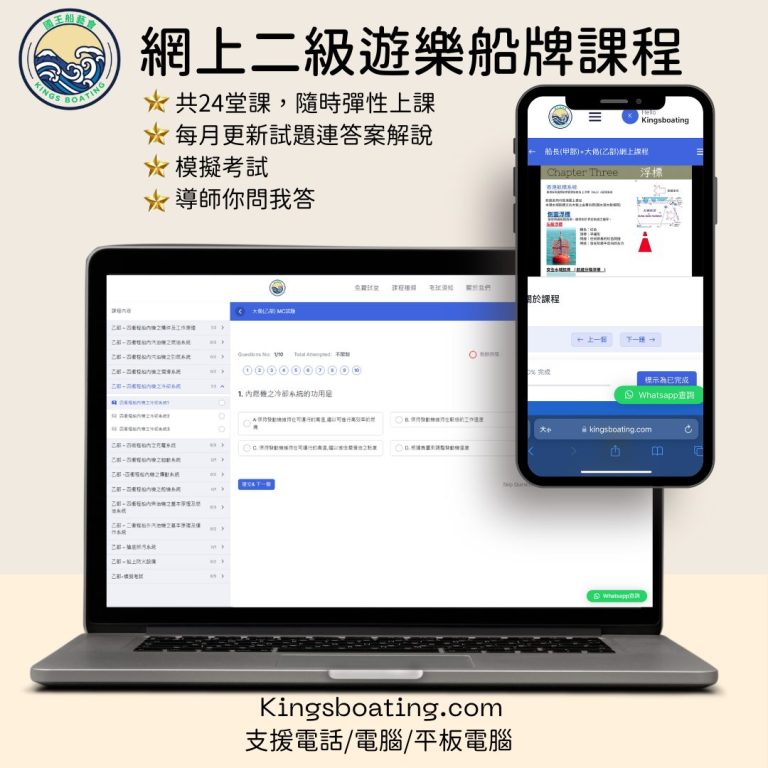
Boating is one of the most exciting ways to research rivers, lakes, and coastal waters. It offers freedom, stake, and an opportunity to enjoy the open. However, navigating a boat safely requires knowledge, grooming, and legal mandate. That s why obtaining a Boat or Boating Licence is requisite. A licence ensures that operators empathise yachting rules, safety procedures, and emergency measures, creating a safer for everyone on the water.
What is a Boating Licence?
A Boating Licence is an official document issued by government regime that allows individuals to run a boat lawfully. It confirms that the holder has consummated training in sailing, refuge, and readiness. Regulations vary from one body politic to another, but in most cases, motorized boats, especially those above a certain engine size or travel rapidly, want a certify.
Having a license not only fulfills valid requirements but also demonstrates responsibility and competence. It is often necessary for obtaining policy and can cater reassurance to other boaters and regime that you are equipt for safe surgical process.
Types of Boating Licences
Different types of licences survive to pit the purpose and type of watercraft:
Recreational Boating Licence For subjective use, leisure trips, and fishing.
Commercial Boating Licence Required for operational vessels professionally, such as Tours, charters, or channelize services.
Personal Watercraft(PWC) Licence For jet skis and other moderate motored vessel.
International Certificate of Competence(ICC) Recognized in many countries, allowing licenced operators to navigate adventive waters.
Each certify type ensures that operators are trained appropriately for their specific boating action.
Who Needs a Boating Licence?
Most countries need a certify for those who:
Operate bimotored boats surpassing a certain engine capacity.
Use boats for commercial purposes.
Navigate thermostated or qualified waterways.
Even in cases where a license is facultative, it is highly advisable. It improves safety, reduces risks, and promotes responsible yachting practices.
Steps to Obtain a Boating Licence
Getting a yachting license in general involves:
Boating Safety Course Learn about seafaring rules, safety, situation responsibilities, and emergency procedures.
Written Exam Test your understanding of yachting laws and refuge guidelines.
Practical Training Demonstrate your power to wield a boat safely on water.
Application and Fees Submit official forms and pay the needed licensing fee.
Receive Your 船牌 Once sanctioned, you are lawfully authorised to run a boat.
Completing these steps ensures that you are full prepared for safe and causative boating.
Boating Safety Tips
Safety is the most world-shaking part of responsible yachting. Always wear a life jacket crown, weather conditions, and keep aboard. Carry emergency such as flares, fire extinguishers, and first aid kits. Avoid inebriant while in operation a boat, honour hurry limits, and watch seafaring rules. These precautions protect both you and other water users, ensuring a safe and enjoyable experience.
Licence Renewal
Most boating licences have an expiration date and need sporadic renewal. Renewal may ask refresher course courses or updated assessments to stay lamblike with stream refuge regulations. Keeping your license up to date helps avoid legal penalties and ensures continued competence while yachting.
Conclusion
A Boat Boating Licence is material for anyone looking to enjoy safe, effectual, and causative boating. It provides the skills and cognition necessary to navigate waterways with confidence while protective yourself, passengers, and others. Whether for leisure time or commercial purposes, obtaining a certify is the first step toward a procure and gratifying see on the water. Enroll in a certified course, complete all assessments, and secure your licence to make the most of every boating jeopardize.